
Teeth Whitening or Veneers? How to Compare Options for Discolored Teeth
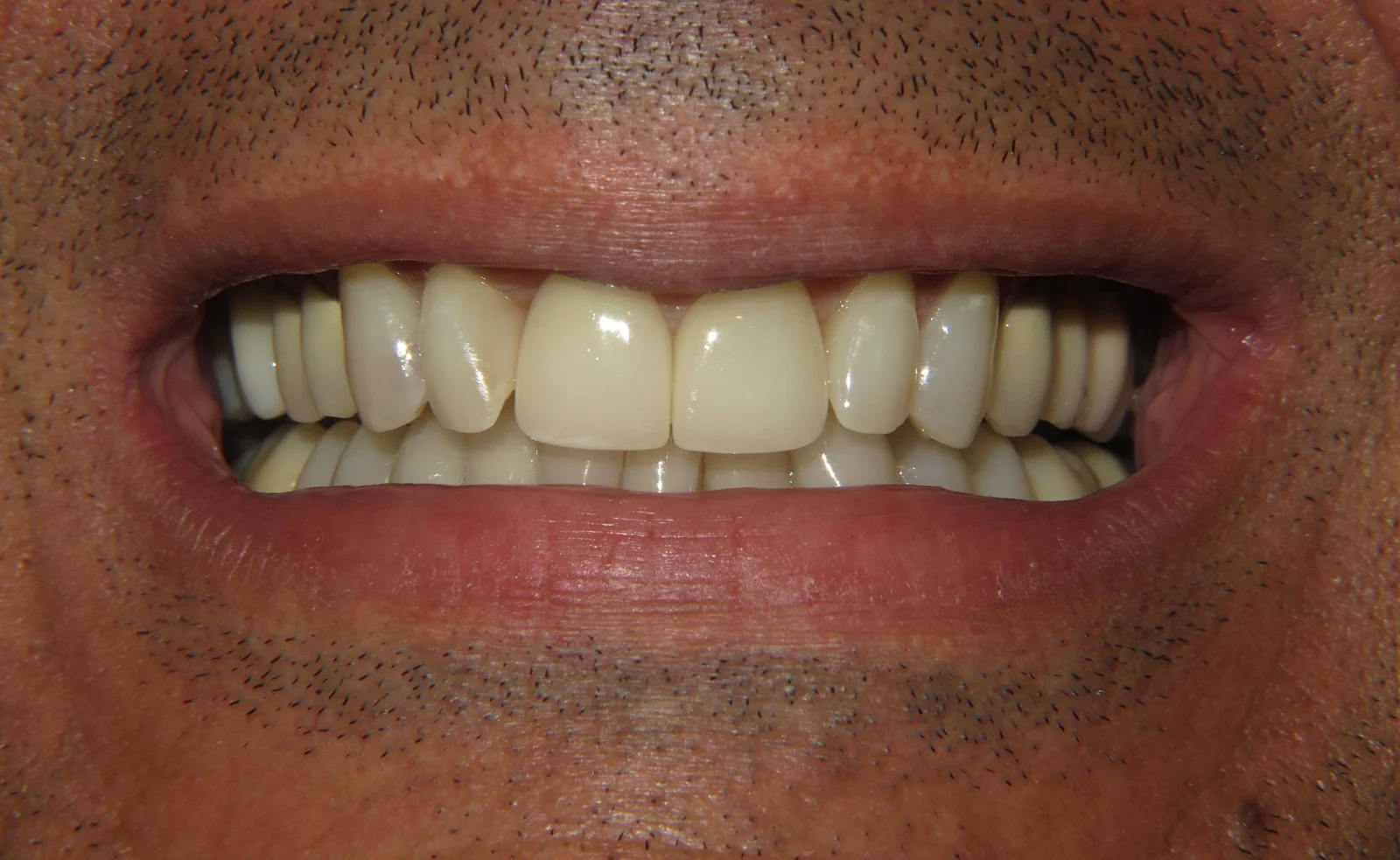
A brighter smile can mean different things: lightening an overall yellow tone, covering a stubborn stain, or improving color alongside tooth shape. Before choosing between teeth whitening and veneers, it helps to identify exactly what you want to change.
For readers in Austin, Broberg Family Dental shares this educational comparison to help you prepare questions for a dental conversation. The starting point is understanding the discoloration—not simply choosing the whitest shade.
Start With What Is Causing the Discoloration
Coffee, tea, and tobacco can contribute to surface staining. Other color changes develop within the tooth, including changes associated with aging or certain medications. Whitening results depend partly on the cause of the discoloration, so deeper staining does not automatically mean veneers are necessary.
A dental evaluation can help identify the cause and whether whitening is appropriate. The American Dental Association’s whitening overview explains why tooth condition, stain type, and existing dental work matter.
Before your visit, consider:
- Is one tooth darker, or has your whole smile changed?
- When did you first notice the discoloration?
- Have you tried whitening before, and what happened?
- Are you concerned only about color, or also about shape and symmetry?
What Whitening Can—and Cannot—Change
Whitening uses bleaching ingredients to lighten natural tooth color. It does not change a tooth’s shape or close a gap.
It also does not lighten existing veneers or tooth-colored fillings. That distinction matters if visible dental work already matches your current shade: whitening natural teeth could create a color mismatch.
Temporary tooth sensitivity and gum irritation are possible. Discuss existing sensitivity before starting, and follow product directions rather than increasing application time to chase faster results. These limitations and side effects are outlined in the ADA’s guidance on whitening.
What Veneers Change—and What They Require
Veneers cover the front surfaces of teeth rather than bleaching the tooth itself. They can mask discoloration while also changing the appearance of chips, uneven shapes, or small gaps.
The trade-off is a greater commitment. Conventional porcelain veneers generally require removing some enamel, making treatment irreversible. They can also chip, loosen, or need replacement over time. Existing decay or gum disease must be addressed first, and grinding or bite problems can affect suitability.
Porcelain veneers typically involve preparing the teeth, taking impressions or scans, and checking the finished veneers before bonding. The ADA’s patient guide to veneers explains these steps and considerations.
Compare the Whole Plan, Not Just the Initial Price
Ask for an individualized estimate rather than relying on a general online price. Useful questions include:
- What would the proposed approach change—and leave unchanged?
- How many teeth would be involved?
- Would any enamel be removed?
- What appointments and follow-up would be needed?
- What maintenance, repair, or replacement expenses should I anticipate?
- What happens if the result does not match my expectations?
If you have an event coming up, share the date early without assuming either option will fit that deadline.
Think Beyond “Whiter”
When speaking with a cosmetic dentist, describe your goals in everyday terms: “I want my teeth to look less yellow” or “I want this dark tooth to blend in.” Those descriptions are more useful than choosing a procedure before an evaluation.
If your concerns extend beyond color, a smile makeover planning overview can help you organize the bigger picture.
The best decision balances the change you want with tooth preservation, realistic expectations, and the long-term commitment you are comfortable making.